In Colorado Springs, hailstorms are part of life in a way many people outside the state don’t fully understand. Around here, spring and summer weather can shift incredibly fast. A calm afternoon drive down Powers Blvd or a commute along I-25 can suddenly turn into a scramble to find cover while hail starts pounding rooftops and windshields.
Because storms happen so often, a lot of drivers automatically assume every dent can be solved with Paintless Dent Repair. And honestly, in many situations, that’s true. But after years of working on vehicles throughout the area, we’ve also learned that not all Hail Damage behaves the same way. Some dents are shallow and flexible. Others leave behind stretched metal, cracked surfaces, or deeper structural impact than most people realize at first glance.
That’s why we wanted this guide to feel more grounded in real experience instead of sounding overly technical or generic. We’re not just talking about theory here, we’re talking about the kind of Colorado Springs hail repair situations we see every season in exposed neighborhoods, open parking lots, and highway-heavy areas across the city.
Why Paintless Dent Repair Works So Well for Most Hail Damage
One of the biggest reasons Paintless Dent Repair became so popular in Colorado is because it matches the kind of storm damage we usually see here. Most hail dents don’t destroy the panel entirely, they simply distort the metal. That distinction matters.
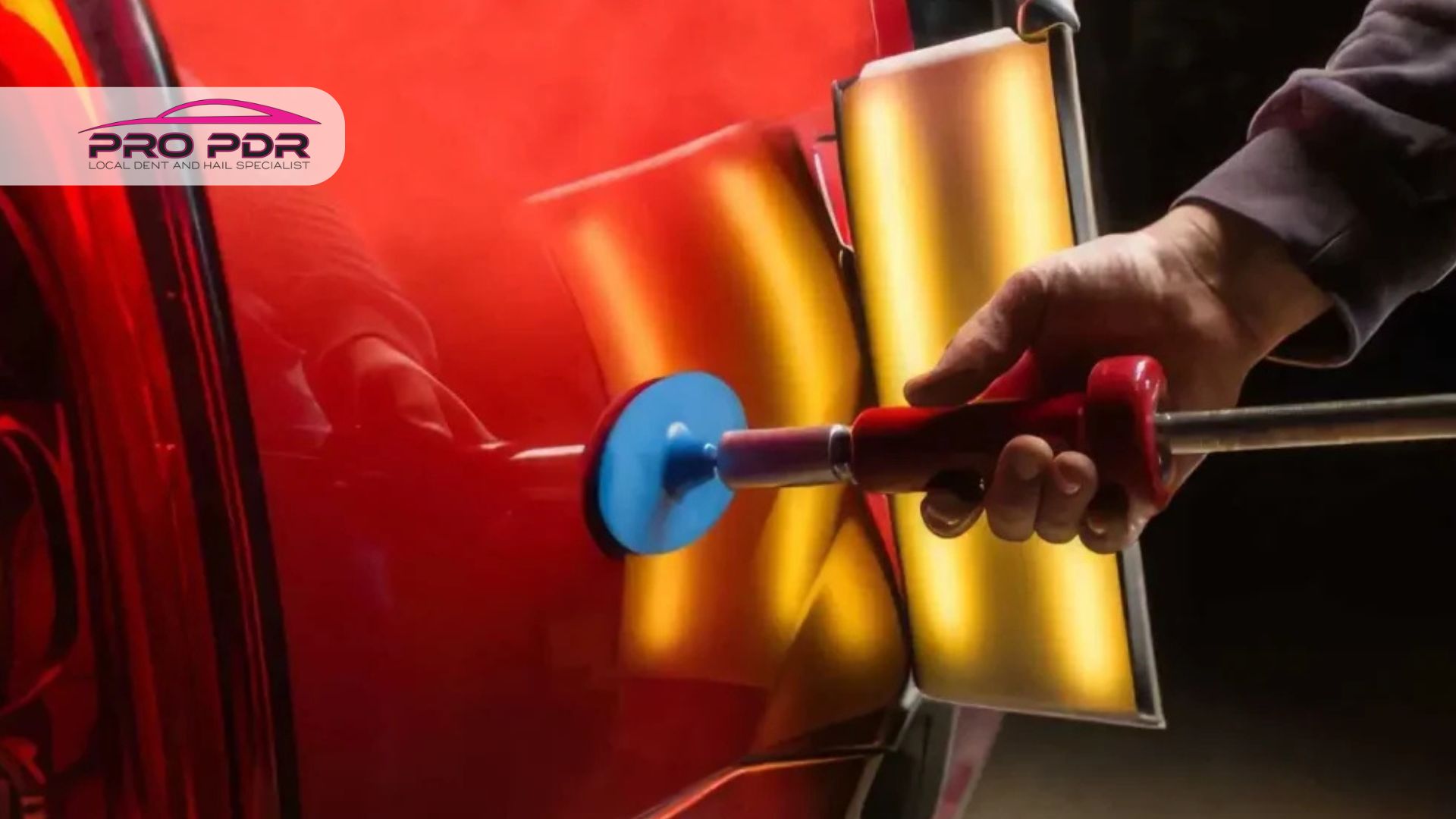
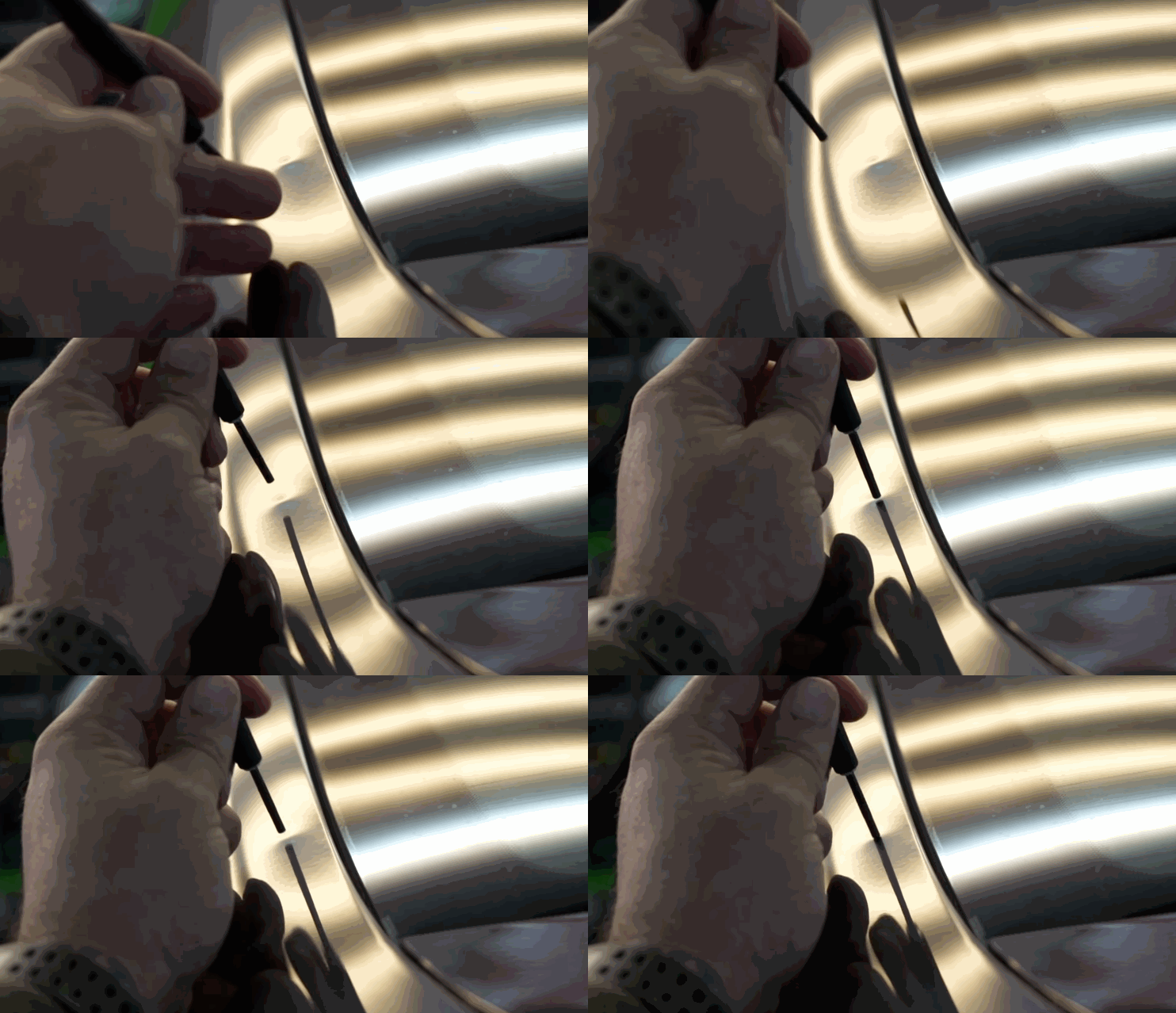
With PDR, the damaged area is carefully reshaped from behind the panel using specialized tools, controlled pressure, and lighting techniques that allow technicians to track even subtle imperfections. Instead of sanding, filling, or repainting the surface, the original panel is restored while keeping the factory finish intact.
Why drivers prefer PDR after hailstorms
- Factory paint stays original, which helps preserve resale value
- Repairs are often completed faster than traditional bodywork
- No color-matching issues or unnecessary repainting
- Most Colorado Springs hail dents respond extremely well to this method
Around here, especially after seasonal storms move through areas near Briargate, Powers, or the eastern side of the city, a huge percentage of vehicles are excellent candidates for PDR hail repair. That’s why so many drivers choose it over more invasive body shop work.
At Pro PDR, we spend a lot of time evaluating dents panel by panel because successful hail dent repair is about precision, not shortcuts. Proper dent removal in Colorado Springs takes experience, especially when storms leave behind dozens of impacts across different parts of the vehicle.
Signs That Hail Damage May Be Too Severe for PDR Alone
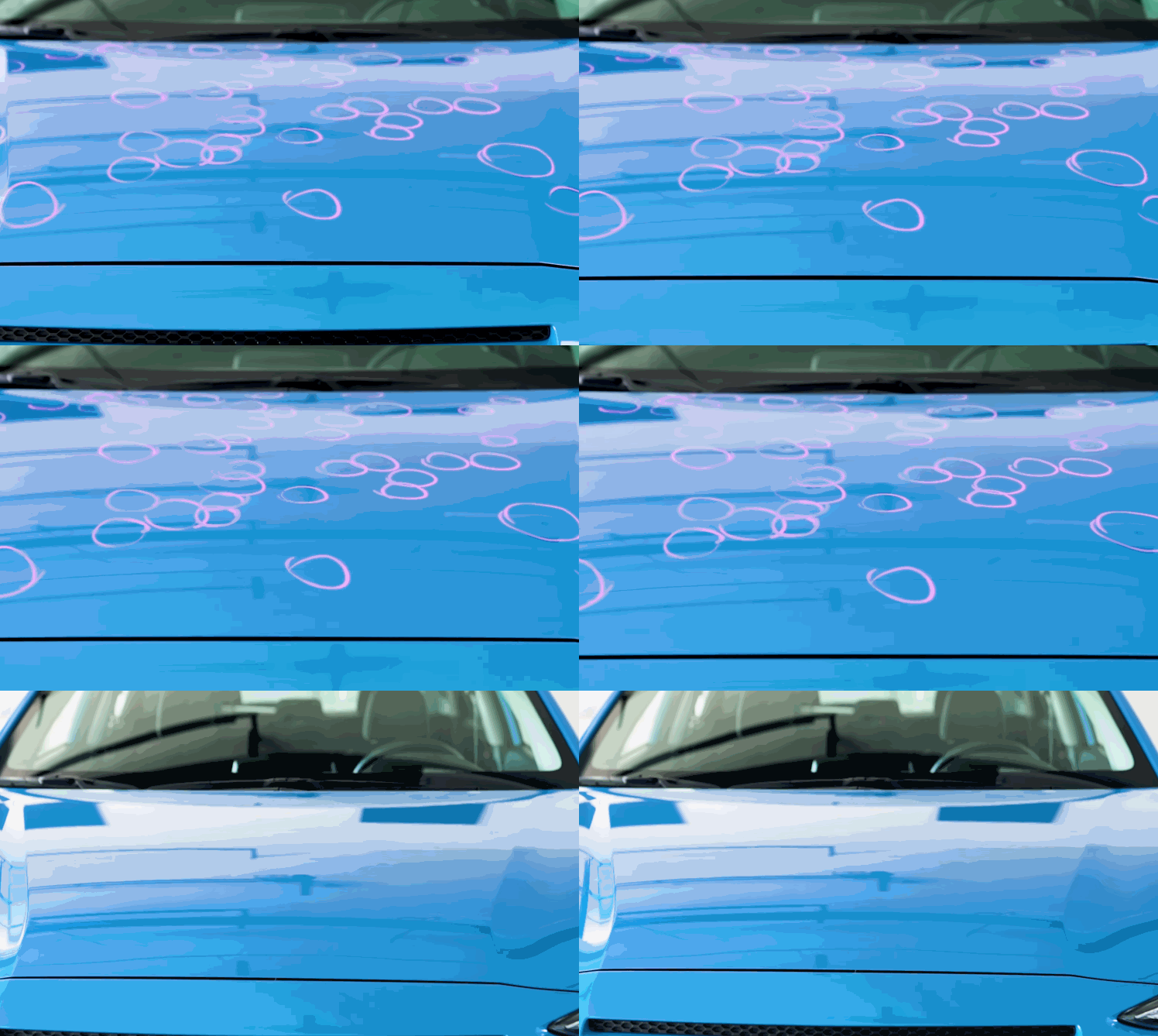
As effective as Paintless Dent Repair is, there are situations where damage pushes beyond what PDR was designed to handle on its own. This is usually the part people don’t realize until the vehicle is inspected under proper lighting.
Some hail impacts are simply too aggressive. Instead of gently displacing the metal, they overstretch it. Once metal loses its natural tension, restoring it perfectly becomes much more difficult, especially without affecting the surrounding surface.
Damage that can complicate PDR repairs
Deep impact points are one of the biggest warning signs. The sharper and deeper the dent becomes, the harder it is to reshape naturally without leaving distortion behind. Cracked paint creates another issue because even if the metal can technically be moved, the damaged finish may still require repainting afterward.
We also see problems with dents landing directly on body lines or edges. Those sections of the vehicle are naturally more rigid, which means impacts there often create sharper creases rather than softer dents.
In more extreme storms, oversized hailstones can even create panel warping or structural movement beneath the visible surface. At that point, deep dent repair may require a combination of PDR and traditional body repair techniques instead of relying on one method alone.
That’s why every severe hail damage case has to be evaluated individually. Two vehicles can go through the same storm and end up needing completely different repair approaches depending on impact angle, panel condition, and overall damage severity.
How Vehicle Condition Affects Repair Possibilities
A lot of people focus entirely on the dents themselves after a storm, but the actual condition of the vehicle plays a huge role in what kind of repair is possible. Sometimes two cars with similar hail impacts respond very differently once the repair process begins.
- Older repaint work may crack or separate when the panel is manipulated during repair
- Rusted or weakened metal panels can lose flexibility and become harder to restore cleanly
- Previous collision repairs sometimes leave filler or structural changes beneath the surface
- Aluminum panels often react differently than traditional steel and require different repair strategies
This is why a proper vehicle dent repair assessment matters before anyone starts pushing dents around. A panel that looks straightforward from the outside may have hidden repair history or weakened areas underneath that completely change the repair plan.
At the end of the day, a professional hail repair inspection is about understanding the full condition of the vehicle, not just counting dents. The better the evaluation upfront, the more realistic and accurate the repair process becomes, especially when dealing with older vehicles or previously repaired damaged body panels.
Why Colorado Springs Hailstorms Can Create More Complex Damage
Not every hailstorm hits with the same intensity, and Colorado Springs has a reputation for producing storms that can become aggressive very quickly. Local geography plays a major role in that.
Storm systems moving down from the Rockies often gain speed as they push across open areas surrounding the city. Near Pikes Peak, weather patterns can shift rapidly, creating sudden temperature clashes that produce larger hailstones and stronger impact force than drivers expect.
The exposure around highways like I-25 also adds another layer of risk. Vehicles traveling at highway speed during a hailstorm are essentially taking impact from two directions at once, the falling hail itself and the forward motion of the car. That combination can increase the severity of visible dents and surface damage.
Over time, repeated storm seasons also start to matter. A vehicle that has already experienced prior hail exposure may respond differently during future repairs because the metal has already been stressed before.
That cumulative wear is something we pay close attention to during severe weather vehicle repair evaluations. In Colorado Springs, it’s not unusual for vehicles to experience multiple storms over several years, and eventually that repeated hail impact damage changes how panels react during repairs.
When people talk about Colorado Springs hailstorms, they usually focus on the weather itself. From our perspective, though, the real story is what those storms repeatedly do to vehicles over time.
When Traditional Body Repair May Be Necessary
One thing we always try to be upfront about with customers is that not every vehicle should be pushed through the exact same repair process. Sometimes Paintless Dent Repair is absolutely the best option. Other times, more conventional repairs simply make more sense for the condition of the damage.
That usually happens when the impact goes beyond what the metal can naturally recover from. If paint has already broken open, if a panel is heavily stretched, or if the structure underneath the surface has shifted, traditional body repair may become the safer and cleaner long-term solution.
PDR vs traditional repair, what changes?
With traditional dent repair, technicians may need to sand, fill, repaint, or even replace sections of the panel entirely. That sounds more invasive because it is, but in certain situations, it’s the correct approach. Trying to force PDR onto severely compromised metal can sometimes leave behind distortion or unstable surfaces that don’t fully restore the vehicle properly.
At the same time, this isn’t an either-or situation all the time. Some vehicles actually benefit from a mixed approach where PDR handles the repairable dents while conventional auto body repair in Colorado Springs is used only on the sections that truly need replacement or repainting.
At Pro PDR, that balance matters to us. We’d rather give someone an honest repair recommendation than push every dent into the same category. Proper hail damage restoration is about choosing the method that best protects the condition and value of the vehicle, not the one that sounds easiest.
💡 Curious about the cost of Paintless Dent Repair in Colorado Springs? Visit our main page for detailed pricing and estimates.
Why Early Inspections Matter After Hail Damage
One of the biggest mistakes drivers make after a storm is waiting too long to have their vehicle checked. We understand why it happens. Sometimes the damage doesn’t look serious at first, or people assume they’ll deal with it later once life slows down a bit. The problem is that hail damage tends to become more complicated the longer it sits untreated.
- Damage becomes harder to document accurately for insurance claims
- Small fractures in the paint can worsen with heat, moisture, and daily driving
- New storms may overlap with older damage and complicate evaluations
- Repair schedules across Colorado Springs fill up quickly during peak hail season
Timing plays a huge role in both repair quality and insurance processing. A proper hail damage inspection shortly after the storm gives technicians and insurance adjusters a much clearer picture of what actually happened to the vehicle.
We’ve also seen situations where minor vehicle storm damage turned into larger repair work simply because the original dents or paint damage were left exposed for too long. The sooner drivers start the insurance hail repair process, the easier it usually becomes to organize repairs, document the damage correctly, and avoid unnecessary delays later.
Choosing the Right Repair Team for Severe Hail Damage
After a major Colorado Springs storm, repair ads seem to appear everywhere overnight. Suddenly every shop claims to be a hail specialist, but severe hail damage requires a level of evaluation and precision that goes beyond basic dent removal.
The right repair team should be able to recognize not only what can be repaired, but also what shouldn’t be forced through the wrong process.
- Experience handling both minor dents and severe hail damage cases
- Ability to identify when Paintless Dent Repair is appropriate and when conventional repairs are necessary
- Clear, realistic communication about repair expectations and limitations
- Familiarity with Colorado insurance claims and storm-related repair timelines
This is one of the reasons customers come to Pro PDR after getting mixed answers elsewhere. We focus heavily on realistic assessments because every storm impacts vehicles differently, even within the same neighborhood.
Good hail damage specialists don’t just repair dents. They understand metal behavior, paint integrity, insurance processes, and long-term vehicle condition. That’s what separates experienced local PDR experts from shops that only handle occasional storm work.
For drivers searching for reliable Paintless Dent Repair in Colorado Springs, finding a team with real hail experience often makes the difference between a repair that simply looks “better” and one that genuinely restores the vehicle properly.
Conclusion: Every Hail Damage Case Is Different
If there’s one thing years of storm repairs have taught us, it’s that no two hail damage cases are exactly alike. Some vehicles respond incredibly well to Paintless Dent Repair, while others require a more involved repair strategy depending on impact severity, panel condition, and paint integrity.
That’s why professional inspections matter so much after Colorado Springs hailstorms. What looks minor from a distance can sometimes hide deeper structural stress or paint damage that changes the repair approach entirely. The earlier those issues are identified, the easier it becomes to protect the long-term condition and value of the vehicle.
At the same time, modern Paintless Dent Repair remains one of the most effective tools available for restoring hail-damaged vehicles while preserving original factory finishes. When it’s the right fit, it offers a cleaner and less invasive path for quality Hail Damage repair.
At Pro PDR, we take pride in helping Colorado Springs drivers understand those differences honestly. Whether your vehicle needs a straightforward repair, a more complex evaluation, or guidance after a recent storm, our team is here to help you make the right decision for your car.
If your vehicle was recently impacted by hail or you simply want a professional opinion on the damage, contact us today. We’ll walk you through your options, inspect the vehicle carefully, and help you determine the best solution for lasting Colorado Springs dent repair results.
Pro PDR - Paintless Dent Repair Colorado Springs - Hail Damage Repair

Address:
949 Elkton Dr Suite A, Colorado Springs, CO 80907
Phone:
(719) 574-5678
Google Reviews
Reviews from the web