
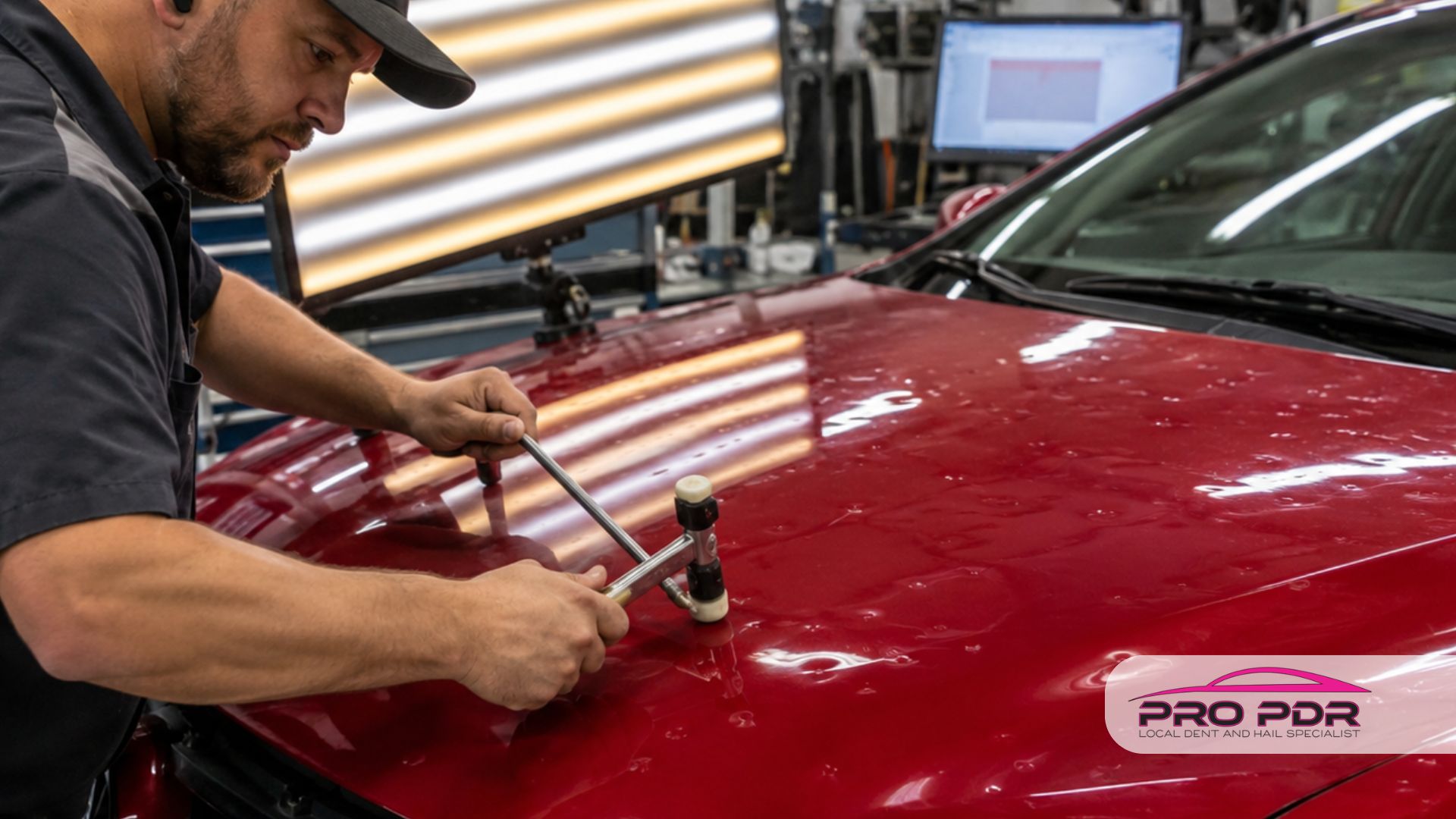
Owning a vehicle in Colorado Springs means accepting that hailstorms are part of the experience. Some years are worse than others, but between spring weather patterns, summer storm activity, and the city’s location near the Front Range, most local drivers will eventually encounter hail. The question usually isn’t whether a storm will happen, but whether your vehicle will be exposed when it does.
What we’ve learned after working with countless damaged vehicles is that prevention is almost always easier than repair. Even the most effective hail damage repair services require time, inspections, scheduling, and insurance coordination. Avoiding the damage in the first place is often the simpler path.
Colorado Springs presents a few unique challenges. Open parking lots, rapidly changing weather conditions, and seasonal storm systems forming near Pikes Peak create an environment where vehicles can go from completely safe to vulnerable in a matter of minutes. That’s why vehicle hail protection deserves more attention than many drivers give it.
This guide isn’t built around fear or worst-case scenarios. Instead, it’s based on practical lessons we’ve learned from evaluating real Hail Damage throughout the region. Sometimes the smartest repair strategy starts long before a storm ever reaches your neighborhood.
Understanding Why Colorado Springs Vehicles Face Higher Hail Risks
Some cities deal with hail occasionally. Colorado Springs deals with it regularly.
The city’s elevation, combined with its proximity to the Rocky Mountains, creates ideal conditions for strong storm development. Warm air rising from lower elevations often collides with cooler mountain air, producing unstable weather patterns that can generate hail with very little warning.
Why local drivers are especially vulnerable
During hail season in Colorado Springs, storms often develop quickly in the afternoon and move across heavily traveled areas before drivers have much time to react. Vehicles commuting along I-25, traveling Powers Blvd, or parked in large retail and office lots are frequently left exposed.
The challenge isn’t just the storm itself. It’s how quickly conditions change. A clear forecast at lunch doesn’t always guarantee a calm drive home.
At Pro PDR, we see the results every year. Vehicles from every part of the city arrive with varying levels of hailstorm vehicle damage, often from storms that lasted only a short time. That’s one reason we always encourage drivers to think about severe weather protection before the forecast becomes urgent.
Tip #1: Pay Attention to Weather Alerts Before You Drive
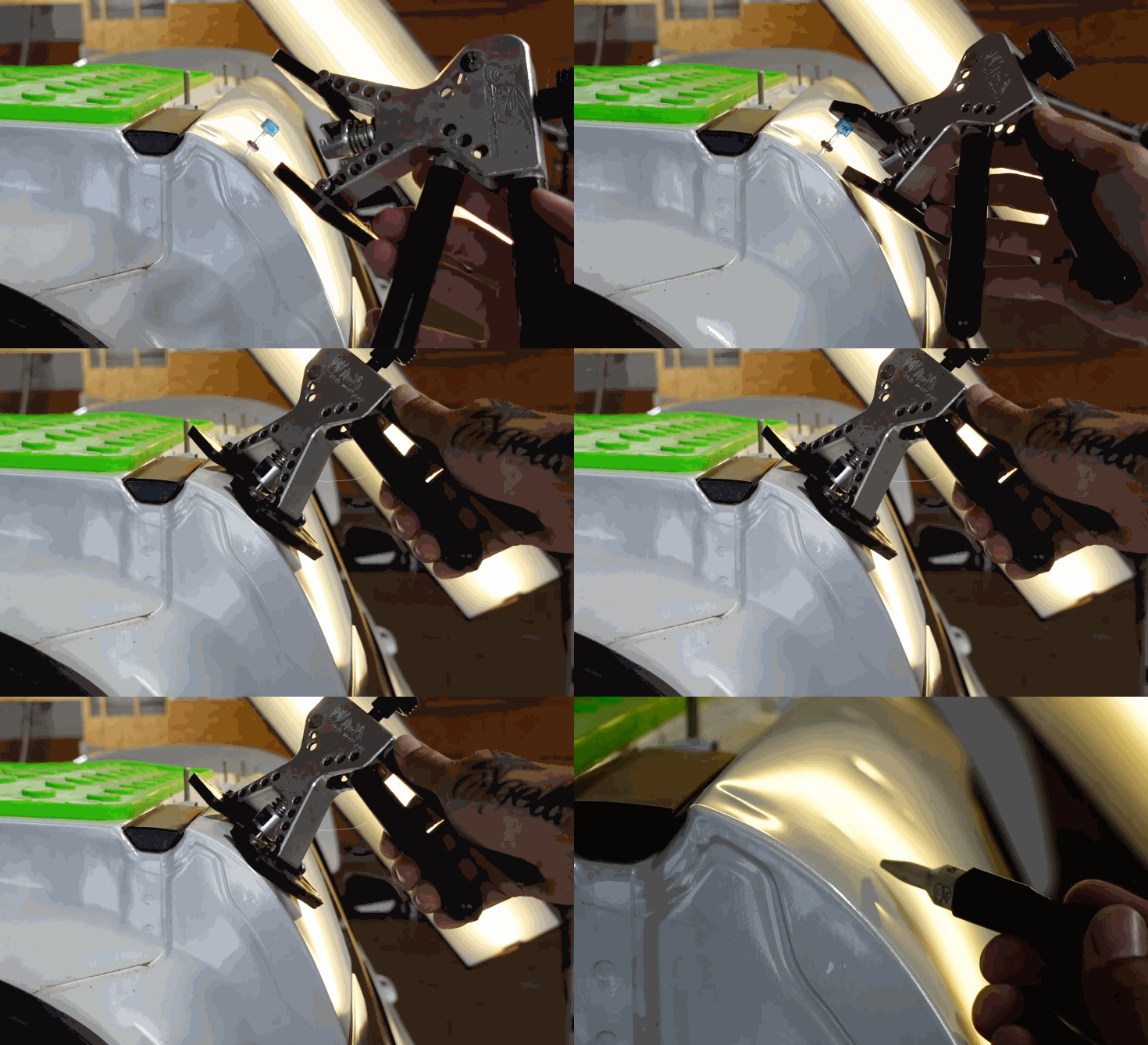
One of the most effective ways to reduce hail exposure doesn’t involve buying anything at all. It starts with awareness.
Modern forecasting tools are remarkably accurate when it comes to identifying developing storm systems. Yet many drivers still rely on simply looking outside before leaving home, which isn’t always enough in Colorado.
A storm can develop west of the city and move toward your route long before conditions change where you’re standing. That’s why local weather alerts can be such a valuable tool during storm season.
A few minutes of checking can save hours of repairs
Before longer drives, outdoor events, or extended parking situations, it helps to review:
- Local weather radar
- Severe thunderstorm alerts
- Hail probability forecasts
- Real-time storm tracking apps
Consistently monitoring hailstorm alerts gives drivers more opportunities to adjust plans, delay departures, or find shelter before weather conditions become dangerous.
When it comes to hail damage prevention, some of the most effective decisions happen before the vehicle ever leaves the driveway. Good Colorado weather monitoring habits often provide the extra time needed to avoid unnecessary exposure.
Tip #2: Know Where Covered Parking Is Available
One of the biggest mistakes people make is waiting until hail starts falling before deciding where to park.
Once a storm is already overhead, everyone has the same idea. Parking structures fill quickly, covered spaces disappear, and drivers end up making rushed decisions under pressure. Planning ahead completely changes that situation.
Think about the places you visit most often throughout the week. Work, shopping centers, gyms, restaurants, and frequently used public spaces. Identifying nearby covered parking options before you need them creates a backup plan that can be incredibly valuable during storm season.
Parking habits may not seem important on a daily basis, but over several years they can have a significant impact on vehicle condition. Cars that regularly spend time under shelter naturally face fewer weather-related risks than vehicles left exposed whenever storms develop.
The goal isn’t to avoid every hailstorm forever. That’s unrealistic in Colorado. The goal is to create practical vehicle protection strategies that reduce unnecessary risk whenever possible. Something as simple as knowing where covered parking in Colorado Springs is available can make it much easier to protect your car from hail when forecasts suddenly change
Tip #3: Keep a Quality Hail Protection Cover Available
Not every driver has access to a garage. Not everyone works near covered parking either. That’s where portable protection can become part of a smart preparation strategy.
Specialized hail covers are designed to add cushioning between falling hail and the vehicle’s surface. While they aren’t a guarantee against every possible impact, they can help reduce damage during many common storm situations.
For drivers who frequently park outdoors, especially in apartment complexes, open lots, or residential areas without covered storage, having a quality hail protection cover available can provide peace of mind during active storm periods.
That said, it’s important to understand their role realistically. Protective covers work best when they’re already available and can be deployed before the weather arrives. They aren’t a substitute for garages, covered parking, or good planning. Instead, they function as another layer within a broader protection strategy.
The most effective approach usually combines several preventive habits rather than relying on a single solution. When used correctly, products like a car hail shield or other vehicle hail protection products can become valuable tools for reducing the likelihood of expensive damage during Colorado Springs storm season.
Tip #4: Avoid Waiting Until Peak Storm Season to Prepare
The best prevention strategies tend to lose effectiveness when they’re implemented at the last minute. Once storm season is already in full swing, drivers often find themselves reacting instead of preparing. A little planning before severe weather becomes frequent can significantly improve your overall hail readiness.
- Inspect your vehicle and identify any existing dents, chips, or vulnerable areas
- Address minor issues before future storms have a chance to worsen them
- Review insurance coverage so you understand what protection is available
- Create a list of nearby garages, covered parking locations, and emergency shelter options
Think of this as building a personal hail damage prevention plan rather than waiting for the forecast to make decisions for you. Good vehicle storm preparation doesn’t require major investments or complicated systems. It simply means putting yourself in a better position before storms become a regular part of the weekly weather report.
💡 Curious about the cost of Paintless Dent Repair in Colorado Springs? Visit our main page for detailed pricing and estimates.
Tip #5: Consider Long-Term Protective Solutions
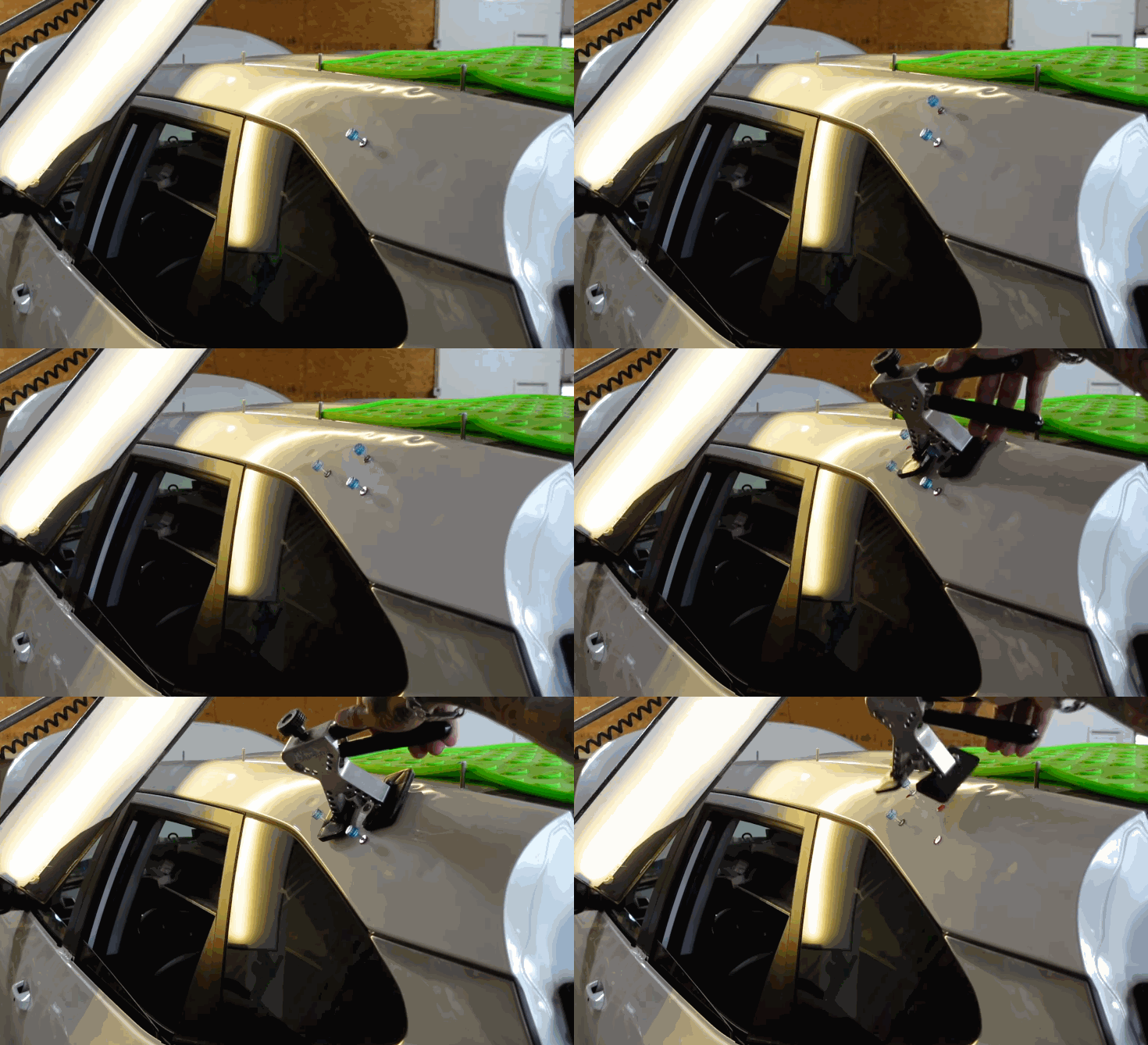
Some forms of protection are reactive. Others are designed to stay in place and work every day, whether a storm is expected or not.
For drivers who plan to keep their vehicles for years, long-term protective measures can be worth considering. One of the most common examples is paint protection film, which is often installed to help shield vulnerable painted surfaces from everyday road hazards and minor impacts.
Looking beyond temporary protection
Products like paint protection film in Colorado Springs won’t stop every form of hail damage, and it’s important to be realistic about that. Large hailstones can still create dents, especially during severe storms. However, these protective materials may help reduce certain surface-level effects and provide an additional layer of defense for exposed areas of the vehicle.
Other long-term approaches can include strategic parking habits, covered storage solutions, and seasonal preparation routines that reduce overall exposure throughout the year.
At Pro PDR, we often talk with customers about practical vehicle protection solutions because every driver has different needs, parking situations, and ownership goals. Effective hail damage prevention is rarely about one perfect product. It’s usually about combining several smart decisions that work together over time.
Tip #6: Schedule Inspections After Major Storms Even If Damage Looks Minor
One of the more surprising things about hail damage is how easy it can be to miss.
Certain dents only become visible under specific lighting conditions. Others are hidden on roof panels, upper body lines, or areas drivers rarely inspect closely. That’s why many vehicles look fine at first glance but reveal significantly more damage during a professional evaluation.
Even when paint remains intact, impacts can create subtle stress within the panel. Left unnoticed, these issues may become more difficult to assess later, especially if another storm arrives before the vehicle is inspected.
Small damage isn’t always obvious damage
A professional hail damage inspection helps identify:
- Dents that are difficult to see with the naked eye
- Areas affected by panel distortion
- Early signs of paint stress
- Repair opportunities before damage becomes more complicated
This type of post-storm vehicle assessment gives drivers better information about their options. Sometimes the inspection confirms minimal damage. Other times, it uncovers issues that would have been easy to overlook.
Either way, early evaluations help vehicle owners make informed decisions instead of relying on assumptions. That’s one reason professional hail damage repair services remain valuable even after storms that initially seem minor.
Conclusion: Prevention Is Always Easier Than Repair
Colorado Springs drivers can’t control when storms develop, how large hail becomes, or where severe weather decides to travel next. What they can control is how prepared they are before those conditions arrive.
The six strategies discussed here all focus on reducing exposure before damage happens: monitoring forecasts, identifying covered parking, keeping protective equipment available, preparing ahead of storm season, considering long-term protection, and scheduling inspections when storms do occur. Individually they help. Together they create a much stronger approach to Colorado Springs vehicle protection.
The reality is that no prevention strategy eliminates risk entirely. However, thoughtful preparation can significantly reduce the likelihood and severity of Hail Damage, while also helping preserve your vehicle’s appearance, condition, and long-term value.
At Pro PDR, we’ve worked with enough storm-damaged vehicles to know that the best repair is often the one you never need. That’s why we believe education and prevention are just as important as repairs themselves.
If you want guidance on protecting your vehicle, need a professional inspection after a storm, or are looking for trusted hail damage repair services, contact Pro PDR today. Our team is here to help you evaluate your options, protect your investment, and stay prepared for whatever Colorado weather brings next.
Pro PDR - Paintless Dent Repair Colorado Springs - Hail Damage Repair

Address:
949 Elkton Dr Suite A, Colorado Springs, CO 80907
Phone:
(719) 574-5678
Google Reviews
Reviews from the web